Michele Matthews

Michele Matthews

From Digital Brochure to Authority Engine: Building a Website for AI Search
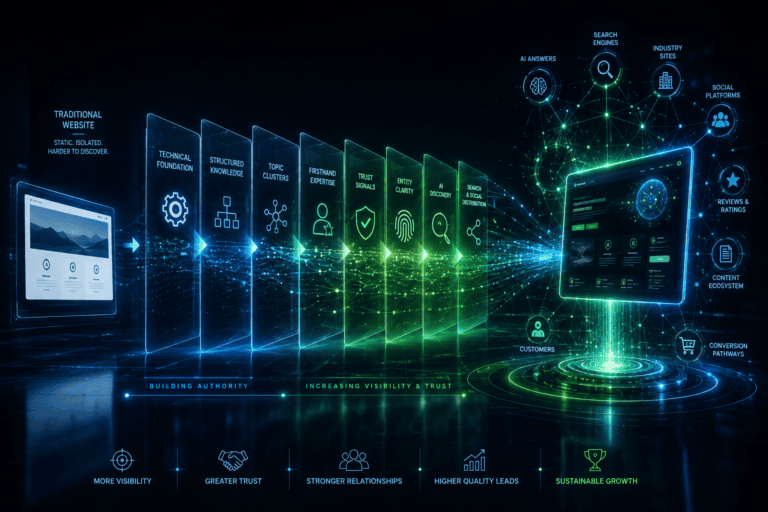
Business website evolving from a traditional digital brochure into an interconnected Digital Authority Hub built for search, AI discovery, expertise, trust, and customer conversion.

A Digital Authority Hub is a business website and interconnected content ecosystem designed to do more than attract clicks. It helps customers, search engines, and AI-powered discovery systems understand who a company is, what it knows, why its expertise can be trusted, and what action a prospective customer should take next.

Building digital authority requires more than publishing blog posts or targeting keywords. A modern authority-focused website combines strong technical accessibility, clear entity signals, deep subject-matter coverage, firsthand expertise, trust validation, question-based content, strategic internal linking, useful visual resources, and conversion-ready customer experiences.

The goal is not simply to create more traffic. It is to build a digital presence capable of being discovered, understood, trusted, referenced, validated, and ultimately chosen.
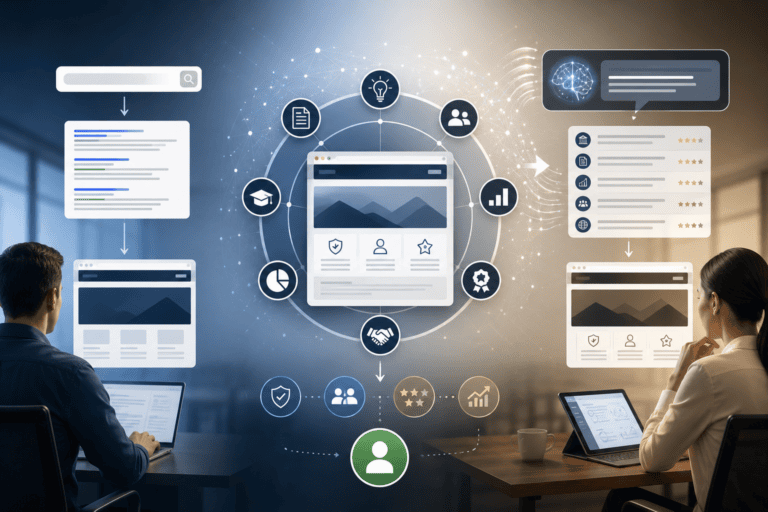

AI Search & the New Customer Journey | Pilgrim Consulting

Featured image shows how the new search engines are no click website authority verifiers

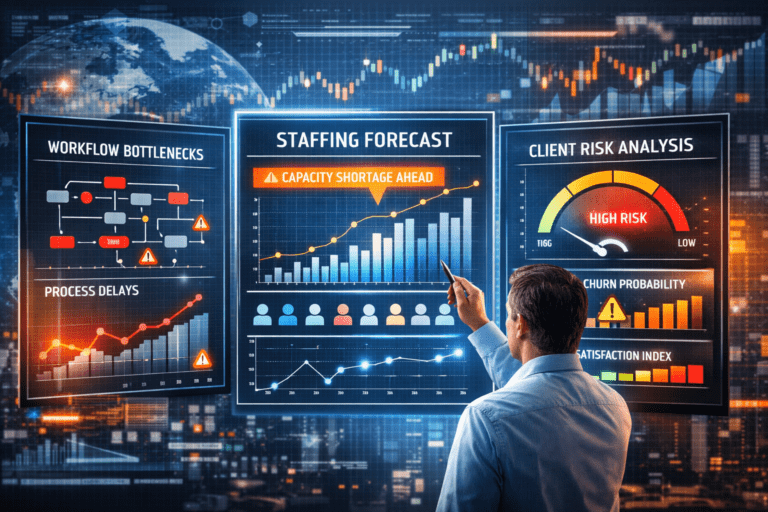
AI search is changing the digital customer journey by allowing people to research problems, compare solutions, evaluate expertise, and identify potential providers before visiting a business website. As Google AI-powered search, ChatGPT, and other AI assistants become part of the discovery process, the website is evolving from a simple online destination into a Digital Authority Hub.

Businesses can strengthen their digital authority by combining strong technical SEO, deep subject-matter content, firsthand expertise, clear entity signals, question-focused content, internal linking, credible trust signals, and structured information that both people and automated discovery systems can understand.

The goal is no longer simply to rank for keywords or generate website traffic. Businesses increasingly need to become trusted, discoverable sources of information throughout the customer journey. The website remains critically important, but prospects may reach it later in their research—more informed, more selective, and with higher expectations.

The new digital marketing question is not only, “Did they find our website?” It is, “Were we part of the answer they trusted?”

Why Traditional Business Websites Are Dying (And What Replaces Them)

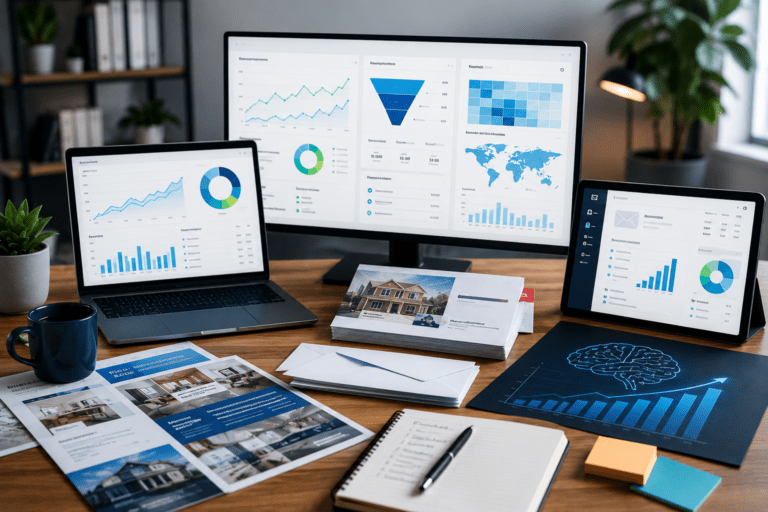
Most business websites were built for a search engine that no longer exists. In today's AI-driven visibility landscape, websites must evolve from simple online brochures into digital authority hubs that educate customers, support AI discovery, and generate long-term trust. Businesses that make this transition now will be positioned to dominate future search and AI-powered recommendations.

How Can XR (AR/VR) Transform Websites Into Functional Experiences?

Businesses exploring XR rarely ask whether augmented or virtual reality is impressive. They ask whether it works.

XR technologies like augmented and virtual reality are transforming websites from static marketing tools into interactive decision-making platforms. When embedded thoughtfully, AR and VR enable real estate walkthroughs, product demonstrations, and service previews that reduce buyer uncertainty, improve engagement, and accelerate conversions—turning visual experiences into measurable business performance.

From Geo-Targeting to Geo-Intelligence: Smart Location Marketing in a Post-Cookie World

Geo-intelligence thrives under these conditions because it is structurally aligned with them.

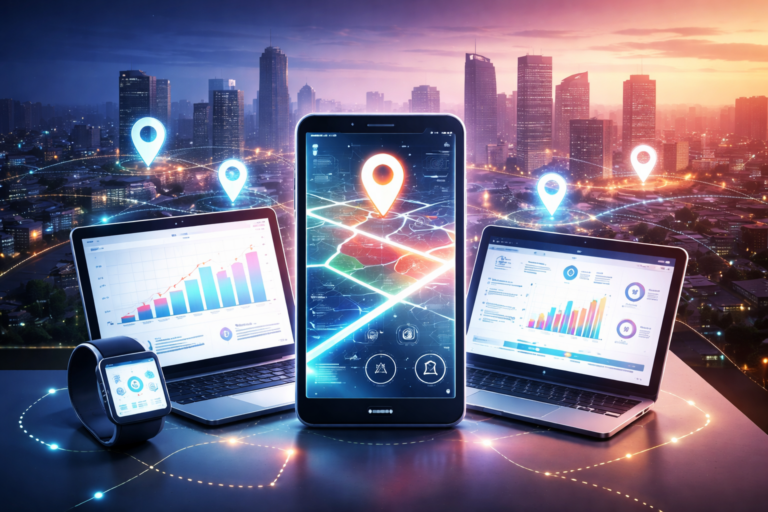
Geo‑intelligence replaces blunt geo‑targeting by combining anonymized location signals, local search behavior, and contextual data to deliver relevant, privacy‑safe marketing. In a post‑cookie world, brands that understand why people move, search, and engage within communities—rather than tracking who they are—win trust, visibility, and long‑term performance.